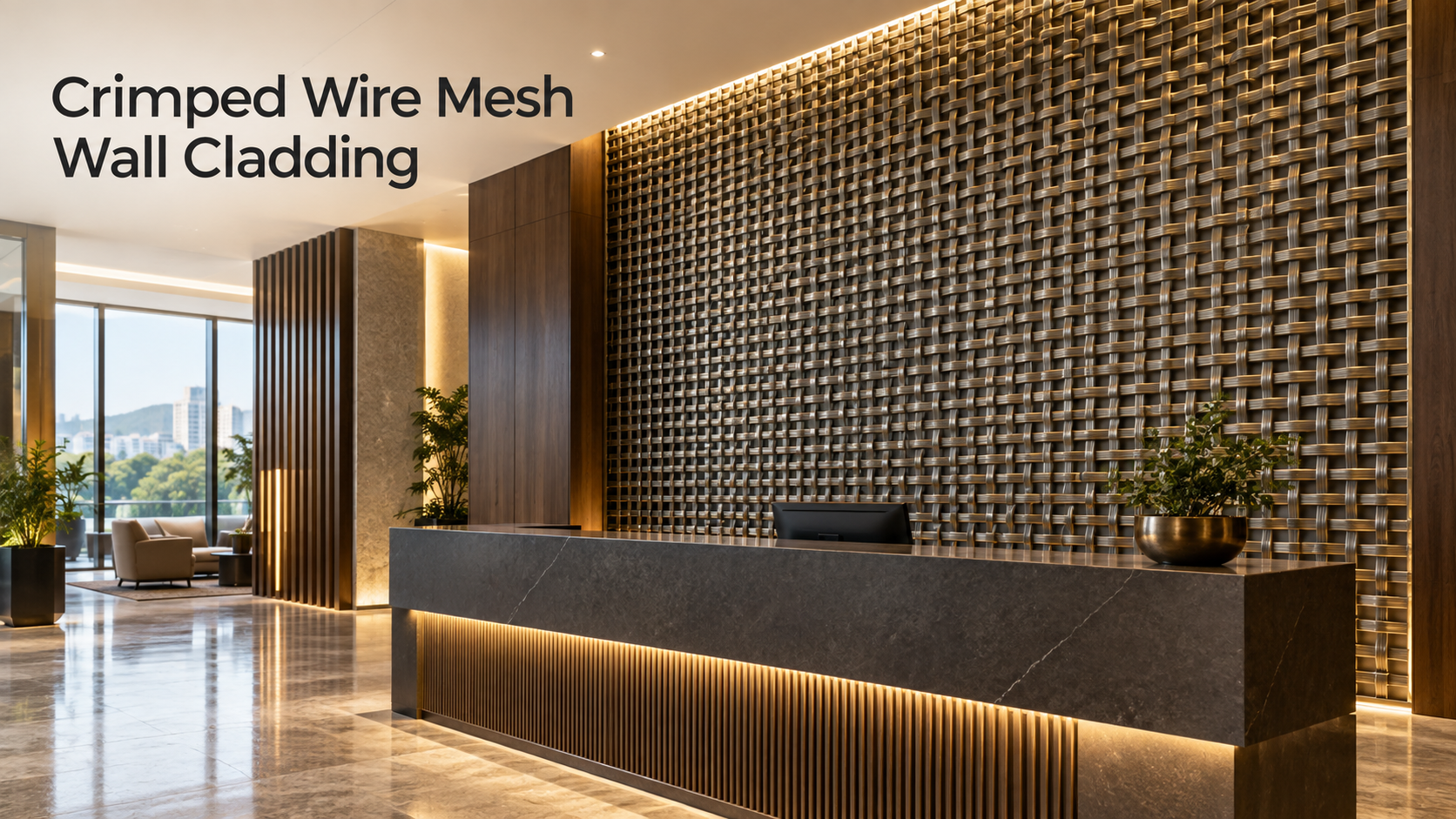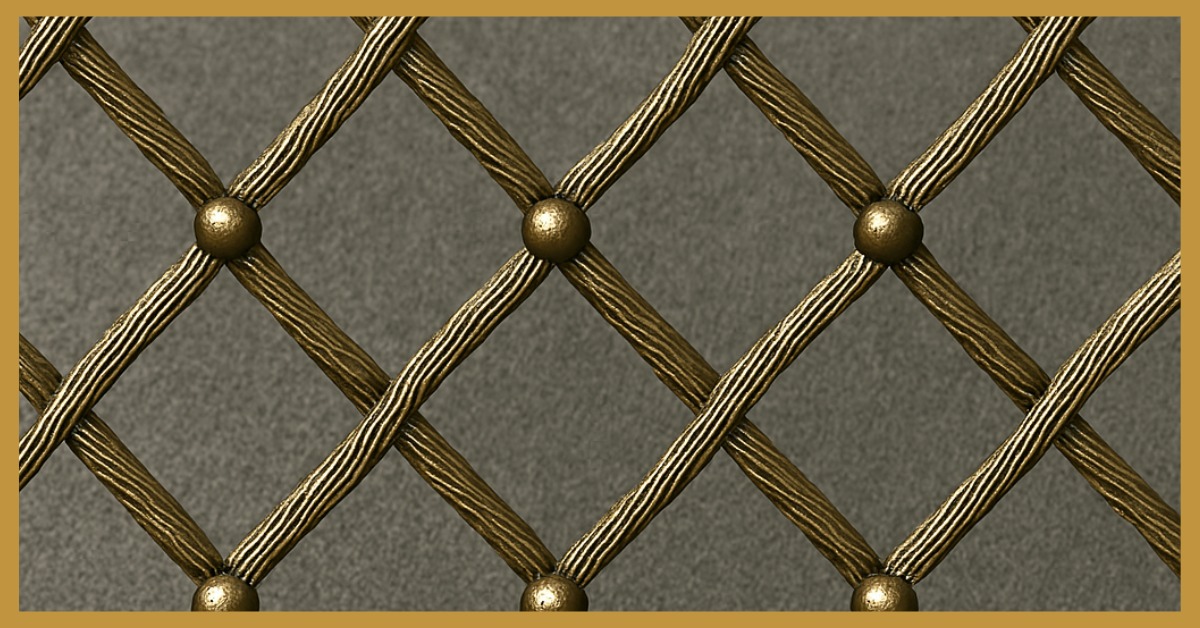
In modern commercial design, decorative mesh has evolved from a simple architectural element into a versatile design tool that shapes brand identity, visual storytelling, and customer experience. Its ability to blend aesthetics with functionality makes it a favorite among architects and interior designers—especially in retail, showrooms, restaurants, hotels, cafés, and experience-led spaces.
Whether used to create openness, enhance lighting, or introduce texture, decorative mesh can completely transform the atmosphere of a space without overwhelming visual balance. Here are some of the most creative and impactful ways to use decorative mesh in commercial interiors.
🔶 1. Statement Ceilings That Guide the Customer Experience
A ceiling is often an underused design surface, but decorative mesh can turn it into a dynamic feature.
Designers increasingly combine mesh panels with:
-
LED backlighting
-
Suspended lighting systems
-
3D ceiling contours
-
Acoustic substrates
This creates a ceiling that not only adds drama but also visually guides customers through retail aisles or hospitality pathways.
Best used in:
Luxury retail, cafés, hotel lobbies, tech showrooms, and galleries.
🔶 2. Semi-Transparent Partitions for Elegant Space Zoning
Modern spaces demand openness—but they also need smart zoning.
Decorative mesh offers the perfect balance:
-
Allows visibility without full exposure
-
Creates privacy without closing down space
-
Adds texture without blocking light
Mesh partitions work brilliantly for:
-
Private dining zones in restaurants
-
VIP sections in lounges
-
Product experience corners in showrooms
-
Waiting areas in hotel receptions
This light, breathable separation feels sophisticated and modern.
🔶 3. Feature Walls That Amplify Brand Identity
Decorative mesh can turn any plain wall into a signature design moment.
Designers often layer mesh with:
-
Backlit acrylic or fabric
-
Acoustic panels
-
Brand-colored finishes
-
3D panels
-
Contrasting textures such as wood, stone, or marble
In retail showrooms, mesh walls can highlight product displays; in hospitality interiors, they create visually rich backgrounds for seating, photo-worthy corners, and lounge environments.
🔶 4. Luxury Display Panels for Retail & Showrooms
Decorative mesh is widely used in product displays because:
-
It acts as a breathable backdrop
-
Works beautifully with hanging systems
-
Offers strong light play
-
Can be easily customized
-
Helps spotlight premium products
From jewelry to fashion, tech accessories to cosmetics—mesh displays elevate the perceived value of merchandise.
Ideas that work:
✔ Mesh-backed shelving
✔ Floating display boxes with mesh side panels
✔ Mesh-framed lighting for product highlight zones
🔶 5. Decorative Mesh for Ventilated Cabinets & Storage
Retail and hospitality spaces often require storage that looks premium yet functional.
Mesh is ideal for:
-
Service cabinets in cafés
-
Back-bar units in restaurants
-
Storage units in hotel rooms
-
Laundry & utility zones in boutique hotels
The perforation allows airflow while keeping the design consistent with the rest of the interior palette.
🔶 6. Lighting Features With Mesh for Maximum Visual Impact
Decorative mesh becomes even more powerful when paired with lighting.
When used creatively:
-
It diffuses light beautifully
-
Creates soft shadow patterns
-
Adds depth and dimension
-
Enhances the ambiance of hospitality spaces
Designers integrate mesh into:
-
Pendant lamps
-
Backlit bars
-
Reception desks
-
Ceiling light boxes
-
Wall sconces
Hotels and restaurants especially benefit as lighting is a core part of customer experience.
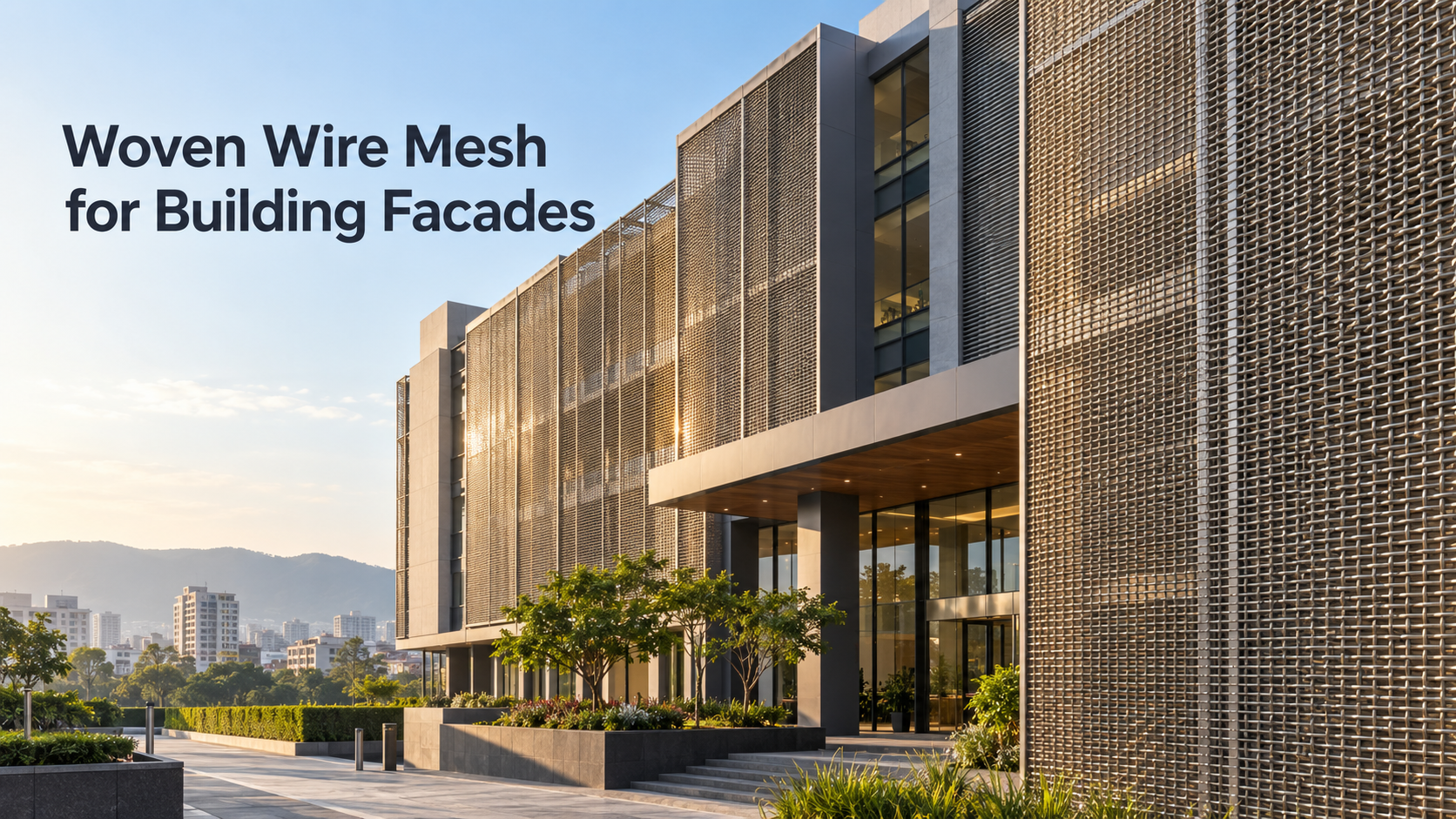
🔶 7. Exterior Storefronts & Façades Using Architectural Mesh
For showrooms and hospitality venues, the façade is the first impression—mesh delivers a striking identity.
Benefits include:
-
Durability
-
Weather resistance
-
Distinctive texture
-
Ability to create dynamic shadows
-
Ideal for branding and signage integration
Architectural mesh façades help brands stand out, especially in premium retail streets and commercial hubs.
🔶 8. Decorative Mesh in Furniture & Custom Fixtures
Mesh adds a sculptural, modern touch to custom furniture pieces used in commercial settings:
-
Restaurant counters
-
Bar fronts
-
Reception desks
-
Service stations
-
Product display podiums
It blends well with materials like wood, brass, and stone to create visually rich combinations.
🔶 9. Acoustic & Functional Enhancements With Mesh
Many high-traffic commercial spaces struggle with noise.
Mesh can be paired with acoustic materials to achieve:
-
Sound absorption
-
Reduced echo
-
Smooth visual flow
-
Sleek and contemporary aesthetics
In restaurants, retail stores, hotel lobbies, and waiting areas, this becomes a huge advantage.
🟦 Conclusion: Decorative Mesh Is a Modern Essential for Commercial Design
From ceilings and façades to partitions and lighting, decorative mesh brings texture, transparency, and architectural elegance to any space. It enhances brand storytelling, elevates customer experience, and allows designers to create high-impact yet functional interiors.
For retail stores, hospitality interiors, and premium showrooms, decorative mesh is not just a design element—it’s a creative medium that transforms spaces into immersive environments.