Introduction
The construction and architecture industry is rapidly evolving toward smarter, more sustainable, and visually dynamic building solutions. In this transformation, decorative mesh in architectural facades 2027 is emerging as one of the most innovative materials.
From luxury commercial buildings to smart city infrastructure, decorative metal mesh is being widely used for façade cladding, shading systems, ventilation control, and aesthetic enhancement.
With increasing demand for energy-efficient buildings, green architecture, and modern design flexibility, decorative mesh is becoming a key element in future-ready architecture.
What is Decorative Mesh in Architectural Facades?
Decorative mesh is a specially engineered metal mesh made from materials like:
- Stainless steel
- Aluminum
- Mild steel
- Copper alloys
It is used in building facades for:
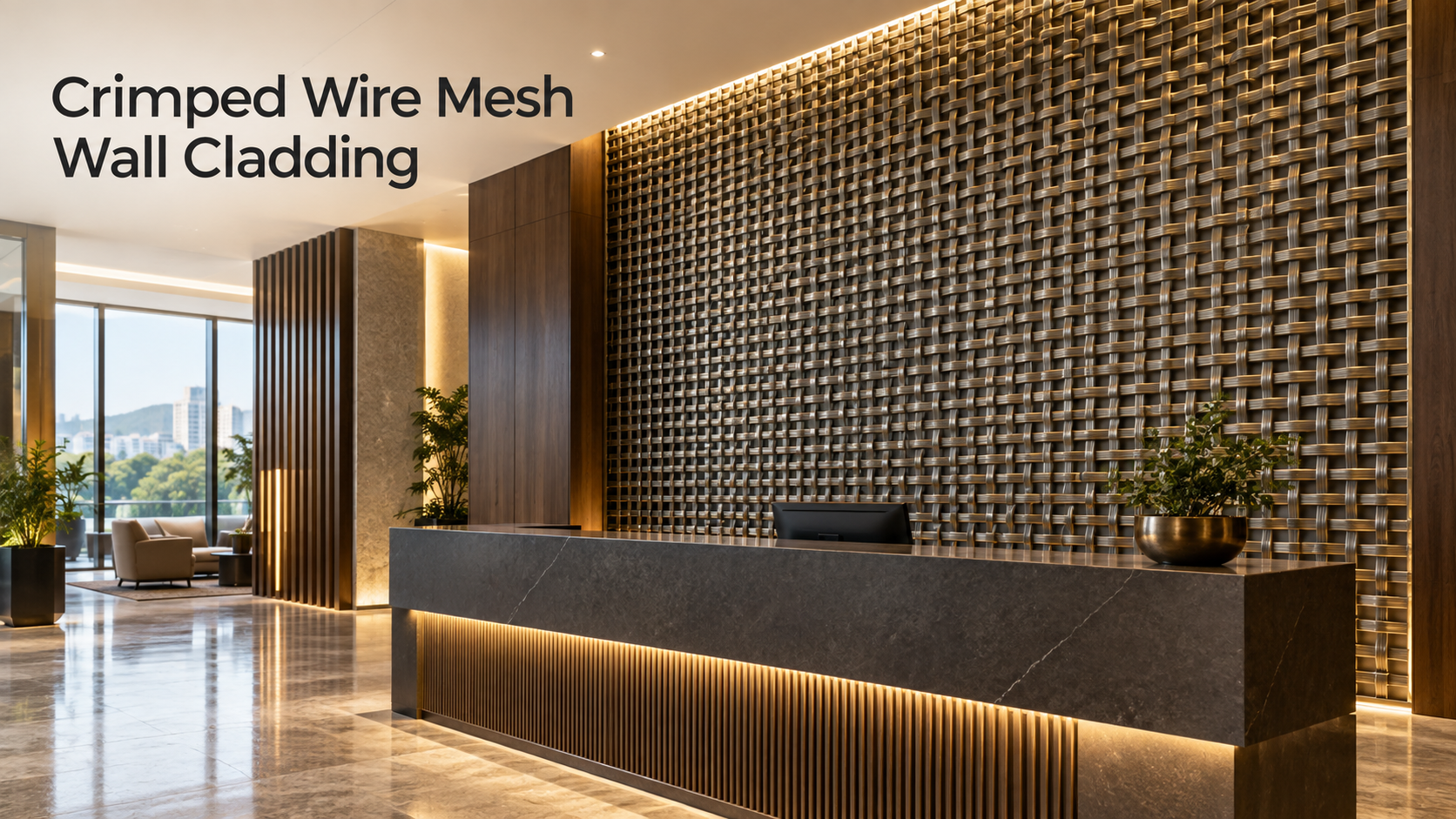
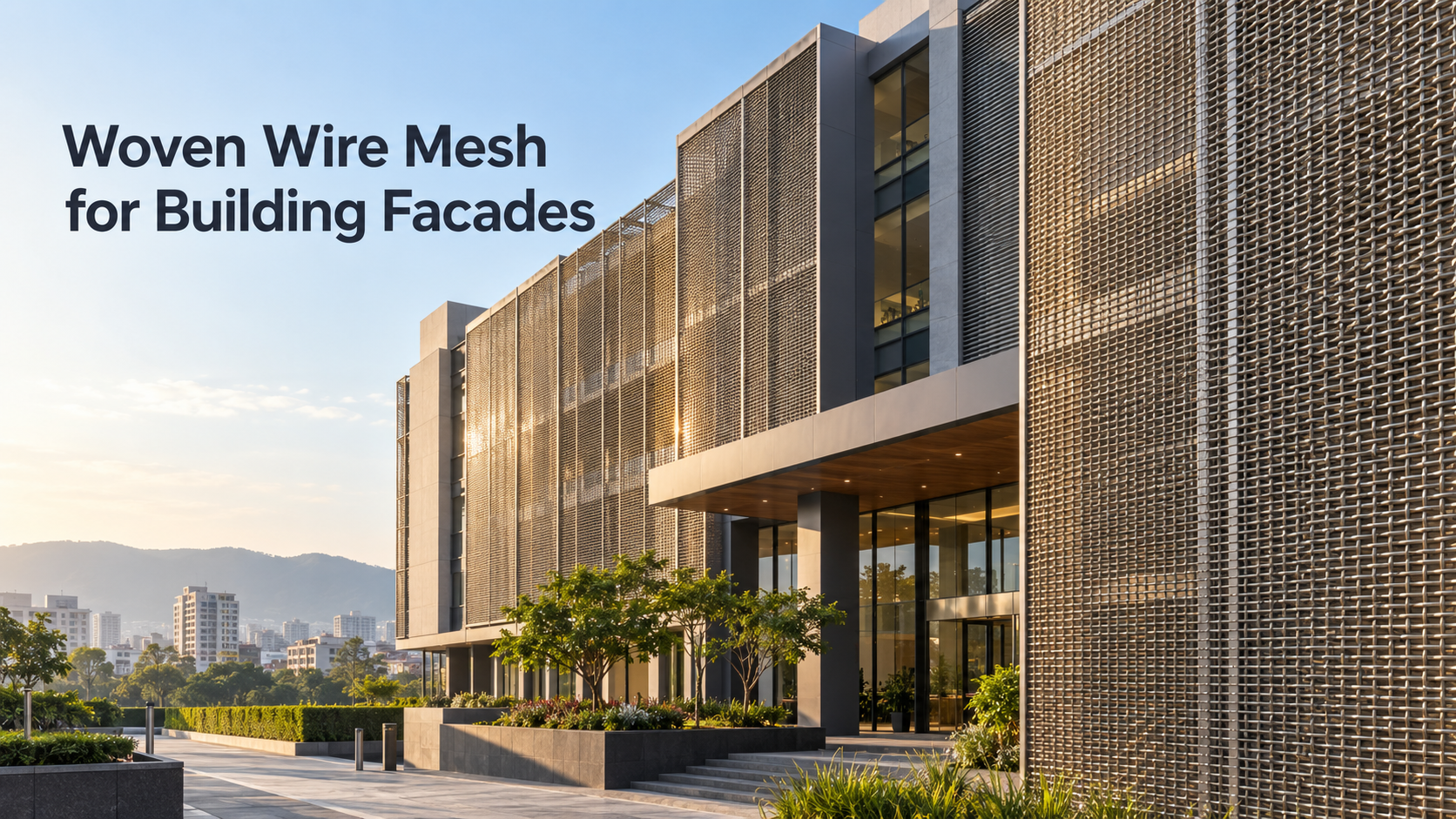
- Exterior cladding
- Sun shading systems
- Ventilated facades
- Aesthetic building design
Architects prefer it because it combines functionality + beauty + durability in modern structures.
Why Decorative Mesh is the Future of Facade Design in 2027
The future of architecture is driven by sustainability, digital design, and energy efficiency.
Decorative mesh supports all three:
✔ Energy Efficiency
- Reduces heat gain
- Improves natural ventilation
- Lowers cooling costs
✔ Modern Aesthetic Appeal
- Sleek, premium appearance
- Custom design flexibility
- 3D architectural effects
✔ Sustainability
- Recyclable materials
- Long lifespan
- Reduced carbon footprint
Smart Facade Systems Using Decorative Mesh
In 2027, buildings are becoming more intelligent.
Smart facade systems using architectural mesh panels include:
- Sensor-based shading systems
- Adaptive sunlight control
- Climate-responsive building skins
- LED-integrated mesh facades
These systems help buildings automatically adjust to weather conditions, improving comfort and energy efficiency.
Key Design Trends in Decorative Mesh Facades (2027)
1. Parametric Architecture Designs
Digital tools are enabling complex mesh patterns that adapt to building geometry.
2. Layered Facade Systems
Multiple mesh layers create depth, shadow effects, and visual richness.
3. Transparent & Semi-Transparent Facades
Allows natural light while maintaining privacy and airflow.
4. Metallic Texture Finishes
Brushed stainless steel and anodized aluminum finishes are trending.
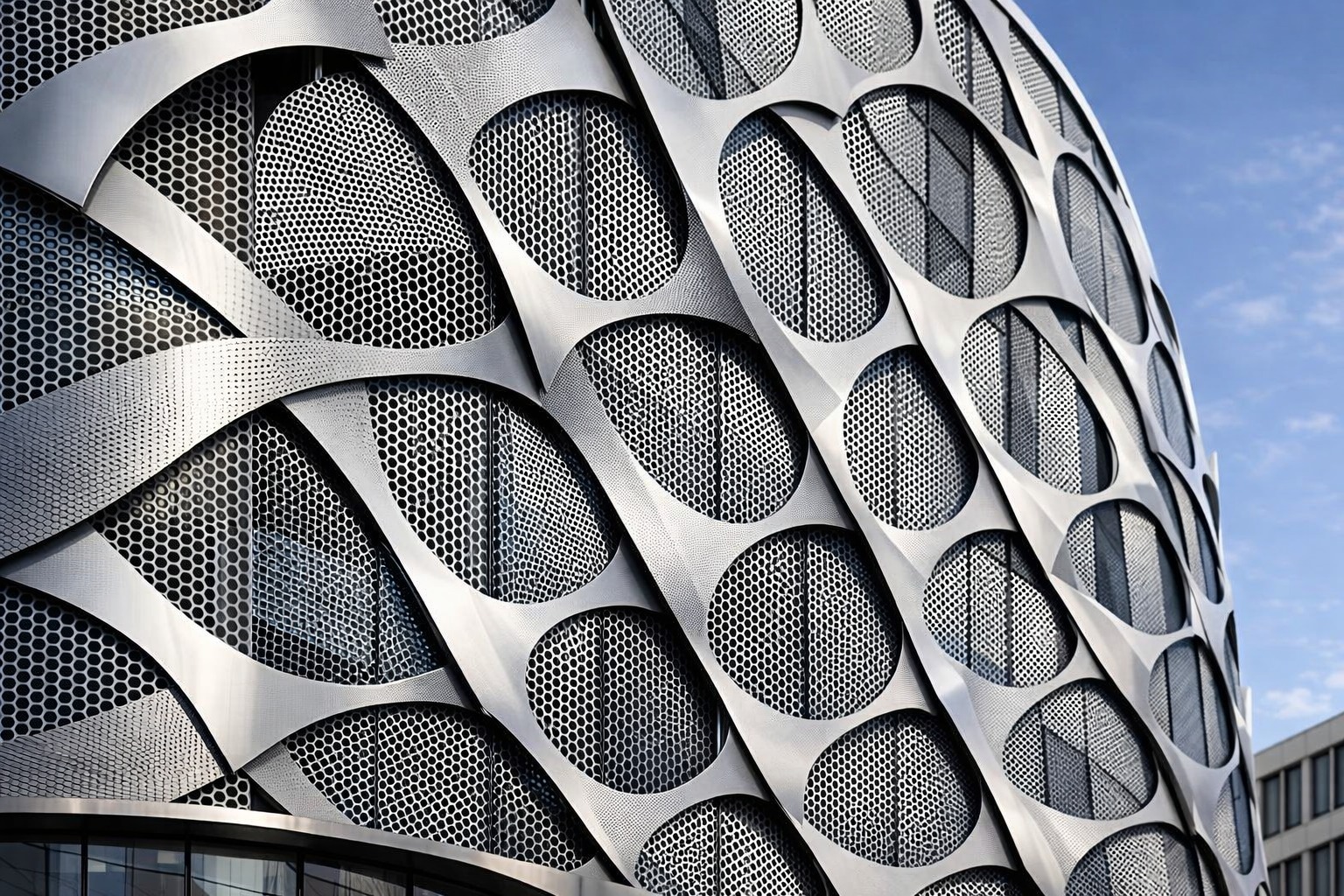
5. Organic & Fluid Patterns
Inspired by nature, wave-like and curved mesh designs are gaining popularity.
Applications of Decorative Mesh in Modern Architecture
Decorative mesh is widely used in:
🏢 Commercial Buildings
- Corporate offices
- Shopping malls
- Retail complexes
🏨 Hospitality Sector
- Luxury hotels
- Resorts
- Restaurants
🏙️ Smart City Projects
- Public infrastructure
- Metro stations
- Airports
🏗️ Industrial Buildings
- Factories
- Warehouses
- Data centers
Materials Used in Decorative Mesh Facades
✔ Stainless Steel Decorative Mesh
- High durability
- Corrosion resistant
- Premium look
✔ Aluminum Mesh
- Lightweight
- Easy installation
- Cost-effective
✔ Mild Steel Mesh
- Strong structure
- Budget-friendly
Benefits of Decorative Mesh in Facade Systems
- Enhances building aesthetics
- Improves energy efficiency
- Provides sun protection
- Allows ventilation
- Reduces maintenance costs
- Long-term durability
- Supports sustainable architecture
Decorative Mesh in Sustainable Architecture 2027
Sustainability is a major trend in modern construction.
Decorative mesh supports:
- Green building certifications
- Energy-efficient facades
- Reduced HVAC usage
- Recyclable construction materials
- Climate-responsive design systems
Decorative Mesh Trends in India (2027 Market Growth)
In India, especially in cities like:
- Mumbai
- Pune
- Bangalore
- Delhi NCR
Demand for architectural mesh facade systems is increasing due to:
- Smart city development
- Commercial infrastructure growth
- Luxury real estate projects
- Industrial expansion
Why Architects Prefer Decorative Mesh
Architects choose decorative mesh because it offers:
- Design flexibility
- Structural strength
- Modern appearance
- Easy installation
- Cost efficiency over time
Future Outlook of Decorative Mesh in Facade Design
The future of decorative mesh is strongly connected with:
- AI-driven architectural design
- Smart building systems
- Sustainable urban development
- Modular construction techniques
- Digital fabrication technologies
By 2027 and beyond, decorative mesh will become a standard façade material in modern architecture.
Conclusion
The future of decorative mesh in architectural facades 2027 is highly promising. With the rise of smart buildings, sustainable construction, and advanced design technologies, decorative mesh is becoming an essential material in modern architecture.
Its combination of aesthetics, functionality, and sustainability makes it one of the most valuable facade solutions for the future.
H2: Frequently Asked Questions (FAQs)
1. What is decorative mesh used for in architecture?
It is used for building facades, shading systems, cladding, ventilation, and decorative design applications.
2. Is decorative mesh suitable for smart buildings?
Yes, it is widely used in smart facades with sensors and energy-efficient systems.
3. What materials are used in decorative mesh?
Common materials include stainless steel, aluminum, and mild steel.
4. Is decorative mesh a sustainable building material?
Yes, it is recyclable, durable, and helps reduce energy consumption in buildings.
5. Where is decorative mesh commonly used in India?
It is used in commercial buildings, malls, airports, hotels, and smart city projects.