Decorative Chain Link vs Traditional Metal Mesh: Which is Better?
In modern architecture and interior design, metal mesh solutions are becoming increasingly popular for their ability to combine aesthetics with functionality. Among the most commonly used options are decorative aluminium chain link mesh and traditional metal wire mesh.
But when it comes to choosing the right material for your project, the question arises:
👉 Which is better — chain link mesh or traditional metal mesh?
This guide breaks down the key differences, advantages, and ideal applications to help you make the right decision.
Understanding the Two Materials
What is Decorative Chain Link Mesh?
Decorative chain link mesh is made from interlinked aluminium chains, forming a flexible, curtain-like structure. It is widely used in:
- Interior partitions
- Facades
- Ceilings
- Retail and hospitality spaces
What is Traditional Metal Mesh?
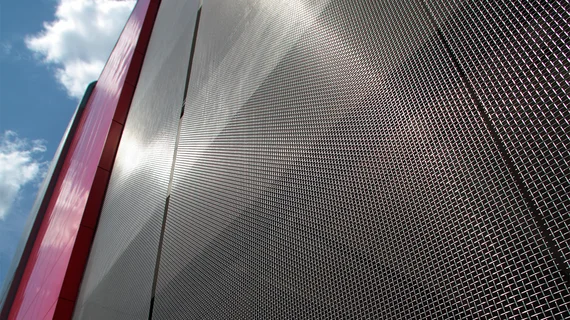
Traditional metal mesh (wire mesh) is made from woven or welded metal wires, usually in stainless steel or aluminum.
Common uses include:
- Building facades
- Safety barriers
- Industrial applications
- Exterior cladding
Key Comparison: Chain Link vs Wire Mesh
1. Aesthetic Appeal
- Chain Link Mesh:
Offers a dynamic, flowing look that adds movement and texture to spaces. Ideal for modern, high-end interiors. - Traditional Metal Mesh:
Provides a clean, structured, and uniform appearance, suitable for industrial or minimalist designs.
2. Flexibility & Design Freedom
- Chain Link Mesh:
Highly flexible, can be draped, curved, or layered. - Traditional Mesh:
Rigid and fixed in shape.
3. Strength & Structural Use
- Chain Link Mesh:
Lightweight and decorative, not ideal for load-bearing applications. - Traditional Mesh:
Strong and durable, suitable for structural and exterior use.
4. Ventilation & Light Flow
Both materials allow:
- Airflow
- Natural light
However:
- Chain link creates a softer, diffused visual effect
- Wire mesh offers a more defined transparency
5. Maintenance & Durability
- Chain Link Mesh (Aluminium):
- Corrosion-resistant
- Low maintenance
- Lightweight
- Traditional Mesh (Steel):
- Extremely durable
- May require maintenance depending on finish
6. Cost Consideration
- Chain Link Mesh:
Slightly higher due to customization and design value - Traditional Mesh:
More economical for large-scale structural use
When to Choose Decorative Chain Link Mesh
Choose chain link mesh if your project focuses on:
- Premium interior design
- Retail, hospitality, or office spaces
- Creative partitions and ceilings
- Visual aesthetics and branding
When to Choose Traditional Metal Mesh
Choose traditional mesh if you need:
- Structural strength
- Industrial or exterior applications
- Budget-friendly large installations
- Security or safety solutions
Conclusion
Both decorative chain link mesh and traditional metal mesh have their own strengths. The right choice depends on your project goals:
- 👉 Go for chain link mesh when design, flexibility, and aesthetics are the priority
- 👉 Choose traditional metal mesh when strength, durability, and cost-efficiency matter more
For modern commercial and interior projects, many designers are now combining both materials to achieve the perfect balance of style and performance.