Modern architecture is entering an era defined by innovation, sustainability, and aesthetic sophistication. Among the materials transforming this landscape, decorative mesh stands out as both a functional and design-forward solution. In 2026, architects, designers, and urban planners are increasingly turning to decorative mesh not only for its practical applications but also for its ability to redefine spaces visually and experientially.
This blog explores how decorative mesh is shaping modern architecture in 2026, highlighting trends, applications, materials, and the future of this versatile design element.
Understanding Decorative Mesh
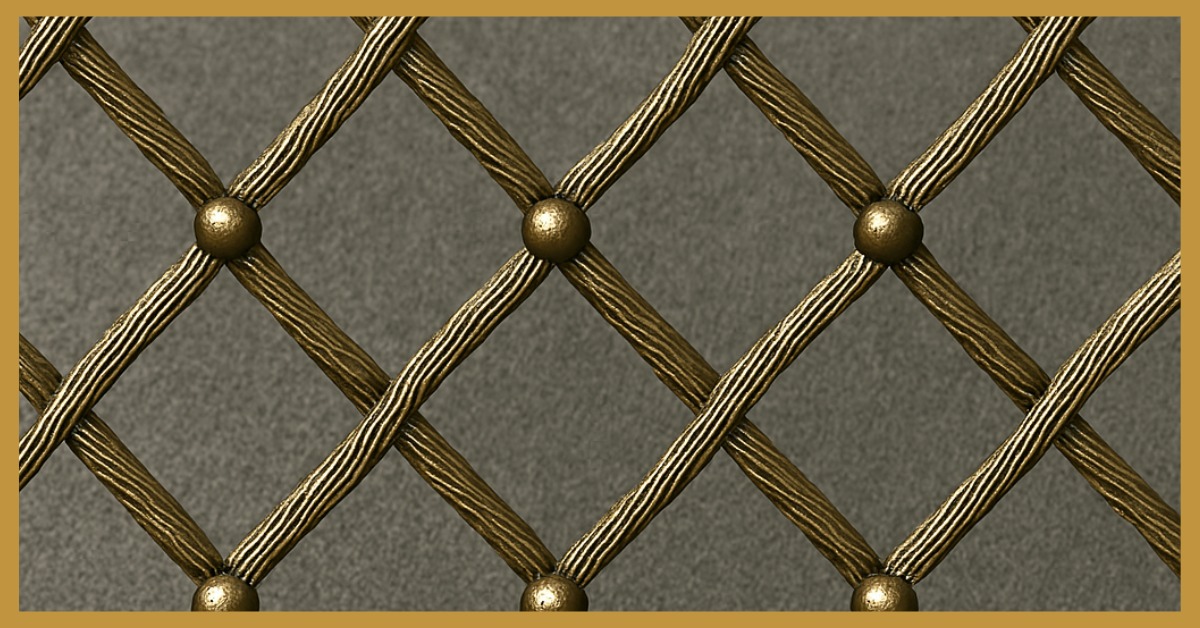
Decorative mesh is a woven or perforated metal, wire, or polymer sheet used for both functional and aesthetic purposes in architecture. Unlike traditional cladding or screens, decorative mesh combines structural performance with design flexibility. Architects use it to create facades, partitions, ceilings, balustrades, and even artistic installations that bring both style and practicality to modern spaces.
In 2026, the use of decorative mesh extends beyond mere decoration. It is now integral to energy efficiency, sustainability, and smart building design.
Key Trends in Decorative Mesh Architecture for 2026
1. Sustainable and Eco-Friendly Materials
With environmental considerations at the forefront of architectural decisions, decorative mesh is increasingly made from recycled metals, such as aluminum, stainless steel, and copper. Designers are also experimenting with biodegradable polymers and composites to reduce carbon footprints.
The focus on sustainability aligns with global green building certifications and the push for eco-conscious architecture, making decorative mesh a material of choice for projects aiming to balance design and environmental responsibility.
2. Dynamic Facades and Exteriors
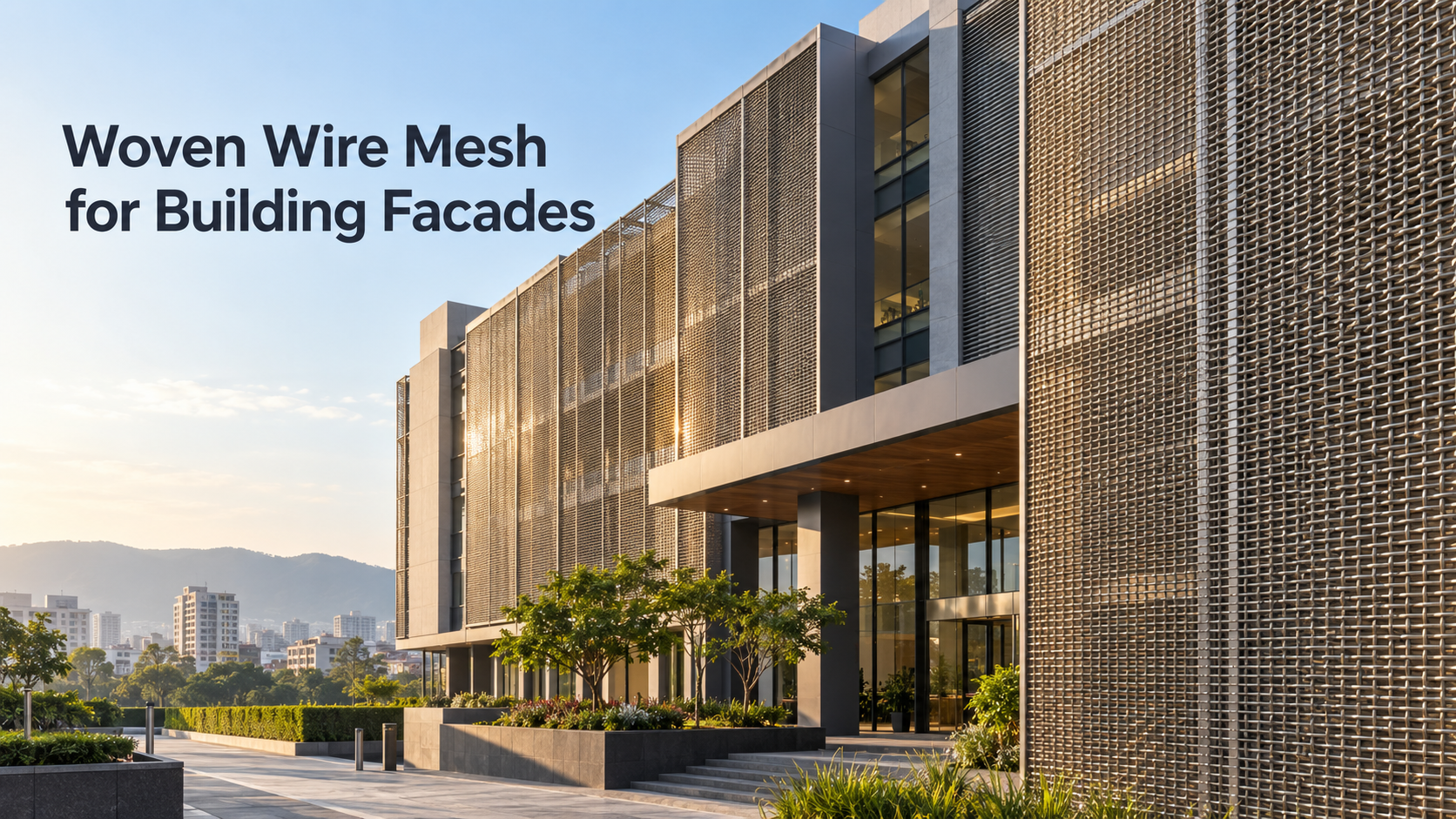
One of the most striking applications of decorative mesh is in building facades. In 2026, architects are using mesh panels to create dynamic exteriors that respond to light and weather. Perforated patterns, metallic finishes, and innovative weaving techniques allow natural light to filter through while maintaining privacy and solar shading.
This trend is especially prevalent in commercial buildings, museums, and corporate headquarters, where the visual identity of the structure is as important as its function.
3. Interior Design Integration
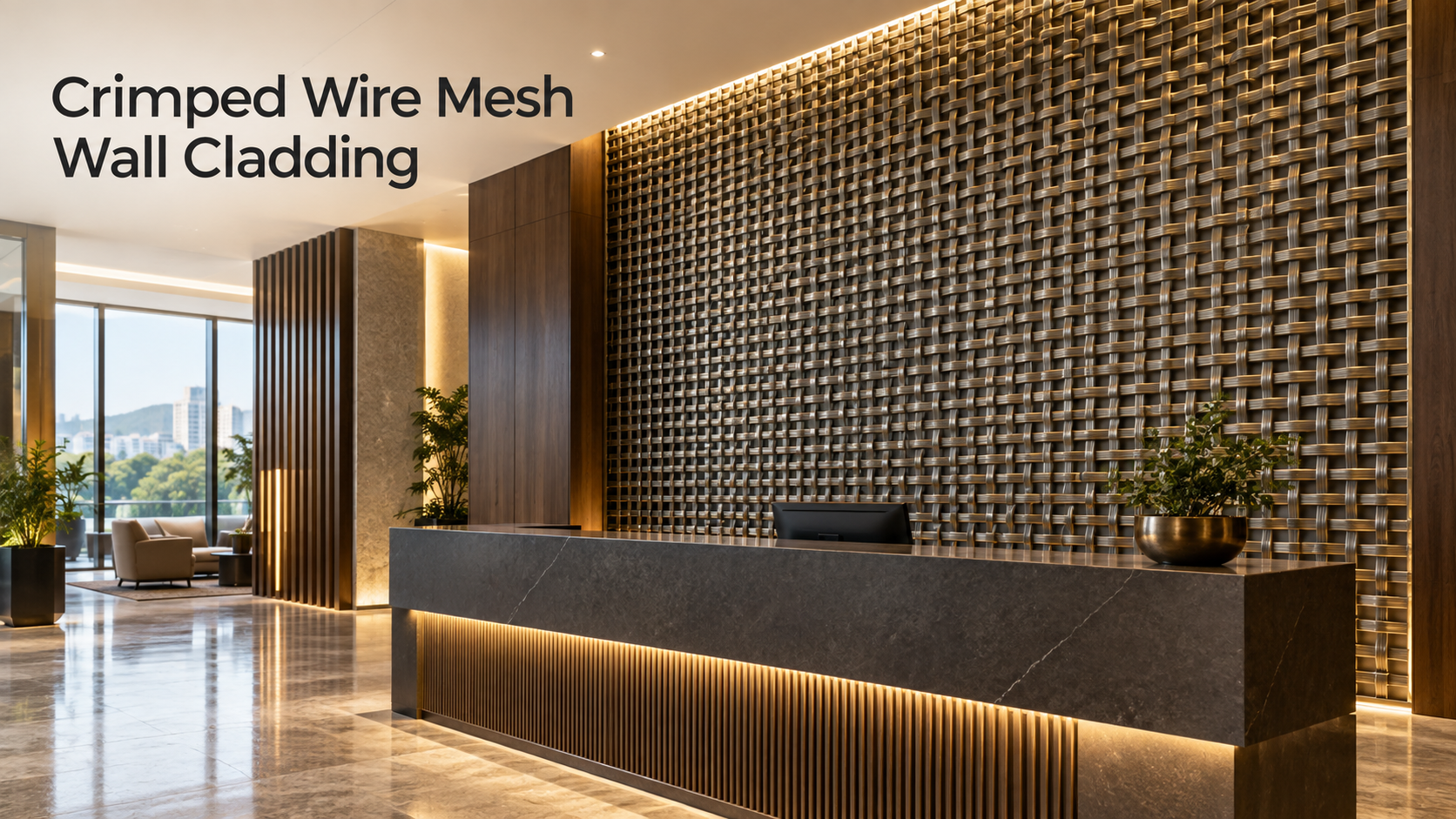
Decorative mesh is no longer limited to exteriors. Interiors in 2026 are embracing mesh for partitions, ceilings, and feature walls. Modern offices, hotels, and luxury residences are using mesh panels to define spaces without blocking light, creating an open and airy environment while adding textural interest.
This application also allows for acoustic management and ventilation, demonstrating that decorative mesh merges design with functional architecture seamlessly.
4. Smart Materials and Technology
The intersection of smart materials and decorative mesh is an emerging trend. Innovations such as photovoltaic-integrated mesh panels allow buildings to generate solar energy while maintaining aesthetic appeal. Others include kinetic mesh systems that adjust to sunlight or wind, improving energy efficiency.
By 2026, these tech-enhanced meshes are expected to become mainstream, reflecting the broader trend of smart architecture and building automation.
5. Customization and Artistic Expression
Architects and designers in 2026 increasingly seek bespoke decorative mesh patterns that reflect cultural, brand, or artistic narratives. CNC-cut and laser-cut mesh allows for highly detailed motifs, from geometric abstractions to organic shapes inspired by nature.
This personalization is particularly popular in cultural centers, museums, and retail spaces, where decorative mesh doubles as both a functional element and a signature design statement.
Functional Benefits Driving Adoption
While aesthetics are crucial, the functional advantages of decorative mesh are driving adoption across architecture sectors:
-
Lightweight yet durable: Mesh panels provide structural strength without excessive weight, reducing material costs and structural load.
-
Ventilation and airflow: Perforated and woven patterns allow for natural air circulation, improving indoor air quality and reducing reliance on HVAC systems.
-
Sun shading and privacy: Mesh can filter sunlight, reduce glare, and provide privacy without fully blocking views.
-
Fire resistance and longevity: Metal mesh panels are non-combustible and highly durable, ensuring long-term performance in harsh environments.
Applications in Modern Architecture
Commercial Buildings
Corporate offices and commercial complexes are using decorative mesh facades to convey brand identity, reduce energy costs, and create dynamic exterior visuals.
Residential Spaces
Luxury residences in 2026 are embracing mesh panels for balconies, stair railings, and decorative partitions, combining privacy, security, and contemporary design.
Cultural and Public Spaces
Museums, galleries, and civic centers use decorative mesh for artistic installations, functional screening, and outdoor shading. Laser-cut designs allow for intricate cultural motifs that double as architectural art.
Hospitality and Retail
Hotels, restaurants, and retail stores are using mesh for feature walls, ceilings, and exterior cladding to create a modern, inviting, and luxurious environment that enhances customer experience.
Future Outlook: The Next Decade of Decorative Mesh
By 2030, decorative mesh is expected to evolve in three key directions:
-
Integration with Smart Buildings: Mesh panels will increasingly incorporate IoT sensors, kinetic responses, and energy-harvesting technologies.
-
Sustainability Leadership: Advances in recycled and lightweight materials will make decorative mesh a cornerstone of green architecture.
-
Cultural and Artistic Relevance: As customization becomes more sophisticated, decorative mesh will continue to serve as a medium for artistic and cultural expression within urban landscapes.
These innovations position decorative mesh as not just a design material but a multifunctional architectural solution capable of balancing aesthetics, performance, and sustainability.
Conclusion
In 2026, decorative mesh is shaping the future of modern architecture by combining aesthetic versatility with functional excellence. From dynamic facades to smart, sustainable interiors, decorative mesh offers architects the tools to create spaces that are visually stunning, energy-efficient, and culturally relevant.
As technology advances and design priorities evolve, decorative mesh will continue to define architectural trends, becoming an essential element in building the cities and spaces of tomorrow.
Whether you are an architect, designer, or developer, embracing decorative mesh trends in 2026 is a strategic choice that promises innovation, sustainability, and timeless design appeal.